
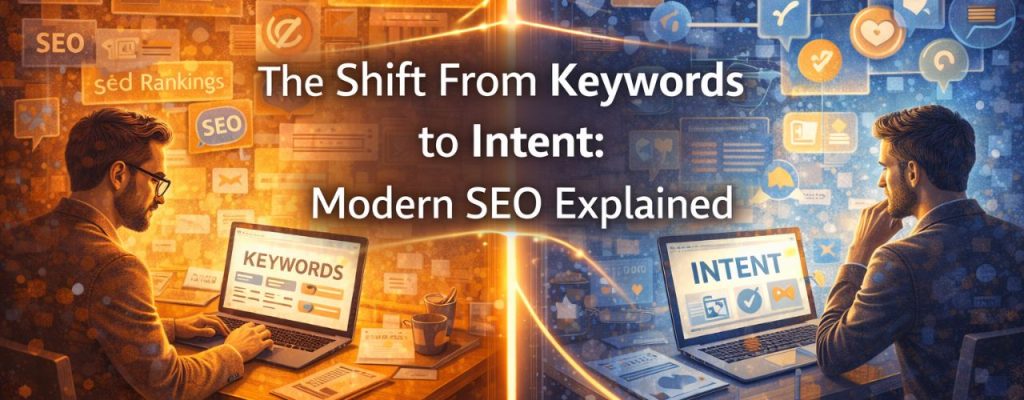
The Shift From Keywords to Intent: Modern SEO Explained
Search engine optimization (SEO) has evolved significantly over the years. In the early days of SEO, ranking on search engines was largely about using the right keywords repeatedly within a webpage. Businesses focused heavily on keyword density, exact-match phrases, and backlinks. However, modern search engines have become far more intelligent. Today, search intent—the reason behind a user’s search query—plays a far more important role than simply matching keywords.
Understanding this shift from keywords to intent is essential for businesses and marketers who want to succeed in modern SEO.
Understanding Search Intent
Search intent refers to the goal or purpose behind a user’s search query. When someone types a query into a search engine, they are usually trying to accomplish something specific. They may want to learn information, compare products, find a particular website, or make a purchase.
Modern search engines analyze context, user behavior, and query patterns to understand what the user truly wants. Instead of simply matching words on a page, search engines attempt to deliver the most relevant and helpful result.
There are generally four main types of search intent:
- Informational intent: The user wants to learn something (for example, guides or explanations).
- Navigational intent: The user wants to reach a specific website or brand.
- Commercial investigation: The user is comparing products or services before making a decision.
- Transactional intent: The user is ready to take an action, such as buying or signing up.
Creating content that aligns with these intentions significantly improves the chances of ranking in search results.
Why Keywords Alone Are No Longer Enough
Keywords still matter in SEO, but they are no longer the only ranking factor. Modern search engines use advanced algorithms to understand context, synonyms, and related topics. This means content must provide meaningful answers rather than simply repeating target keywords.
For example, if someone searches for “best digital marketing strategies,” the search engine expects comprehensive content explaining strategies, trends, examples, and insights. A page that simply repeats the keyword without delivering useful information is unlikely to rank well.
Search engines now prioritize content quality, relevance, and usefulness over keyword repetition.
The Role of Semantic Search
Another important development in modern SEO is semantic search. This technology allows search engines to understand the meaning behind words rather than just the words themselves.
Semantic search connects related concepts, topics, and entities. For example, a search about “content marketing strategies” may also show results related to blogging, storytelling, SEO content, and audience engagement.
Because of this, businesses must create topic-focused content that thoroughly covers a subject rather than writing multiple short articles targeting slight variations of the same keyword.
Creating Intent-Focused Content
To succeed in modern SEO, businesses should start by understanding their audience’s needs. Before writing content, marketers should ask questions such as:
- What problem is the user trying to solve?
- What type of information would be most helpful?
- What format best answers the query (guide, list, tutorial, comparison)?
Answering these questions helps ensure that content directly addresses user intent.
Well-structured content with clear headings, helpful explanations, and actionable insights is more likely to satisfy search intent and rank higher in search results.
The Future of SEO
As search engines continue to evolve, SEO will increasingly focus on user experience, relevance, and helpful content. Factors such as page quality, expertise, and engagement signals are becoming more important.
Businesses that prioritize solving user problems rather than simply targeting keywords will see stronger long-term SEO results.
The shift from keywords to intent represents a major change in digital marketing strategy. Instead of optimizing content only for search engines, successful businesses now optimize for people first. By understanding what users truly want and creating valuable content that answers those needs, brands can achieve better visibility, stronger trust, and sustainable search traffic in the modern digital landscape.